
When it comes to choosing the best platform for your online store, the debate of Woocommerce vs Shopify is one that many entrepreneurs face. Both platforms offer powerful features, but they cater to different types of businesses and users. Whether you’re a beginner looking for simplicity or an experienced entrepreneur seeking full control over your site, understanding the strengths and weaknesses of each can help you make an informed decision. In this post, we’ll compare Woocommerce and Shopify across key factors like pricing, ease of use, customization, and SEO, so you can decide which platform is the best fit for your e-commerce business.
Table of Contents
What is Woocommerce?
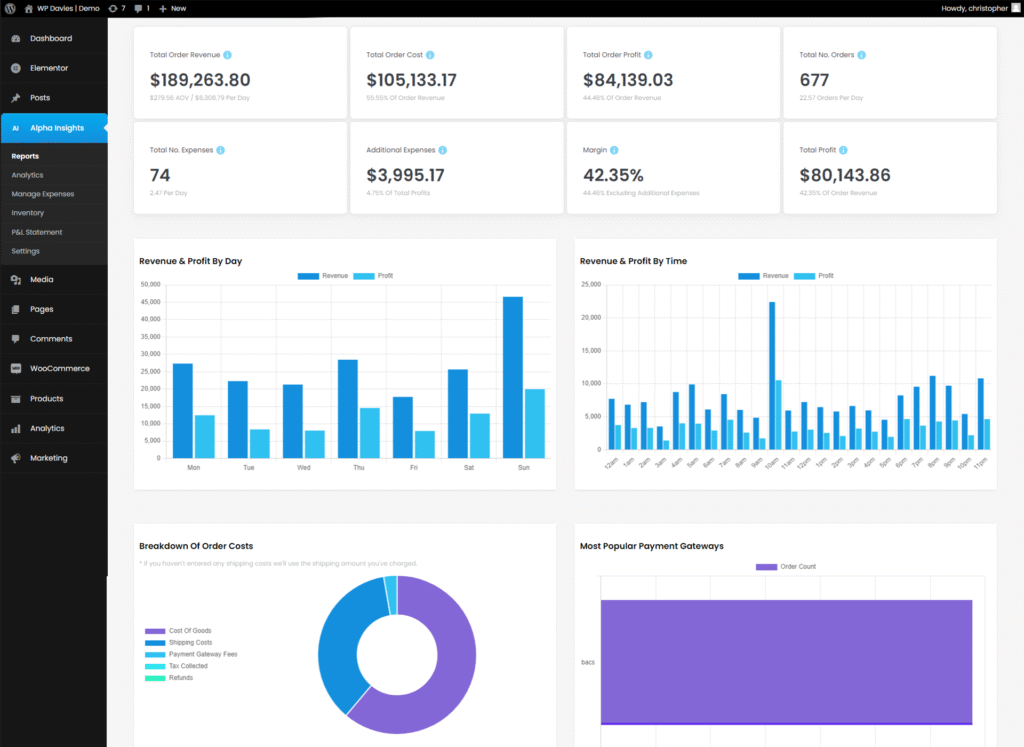
Woocommerce is a free, open-source eCommerce plugin built for WordPress. It allows you to turn any WordPress website into a fully functional online store. With Woocommerce, you can sell physical or digital products, manage inventory, accept payments, and customize your store in almost any way you like.
Because it’s based on WordPress, Woocommerce gives you complete control over your website. This makes it especially appealing to entrepreneurs, bloggers, and business owners who want a flexible and scalable platform.
Unlike fully hosted platforms like Shopify, Woocommerce is self-hosted. This means you’re responsible for choosing your hosting provider, maintaining your site, and handling security. However, this also means you own your data and have full freedom to customize your store with thousands of themes and plugins.
Why Choose Woocommerce?
- Flexibility: Sell anything — from physical goods to memberships and subscriptions.
- Customizability: Thousands of free and premium themes and extensions available.
- Cost Control: The plugin itself is free, and you only pay for what you need.
- Strong SEO: Seamless integration with WordPress allows for advanced SEO control.
- Scalability: Suitable for both small shops and large, complex eCommerce websites.
In the Woocommerce vs Shopify debate, Woocommerce is often preferred by users who value complete control, advanced customization, and strong content marketing capabilities.
What is Shopify?
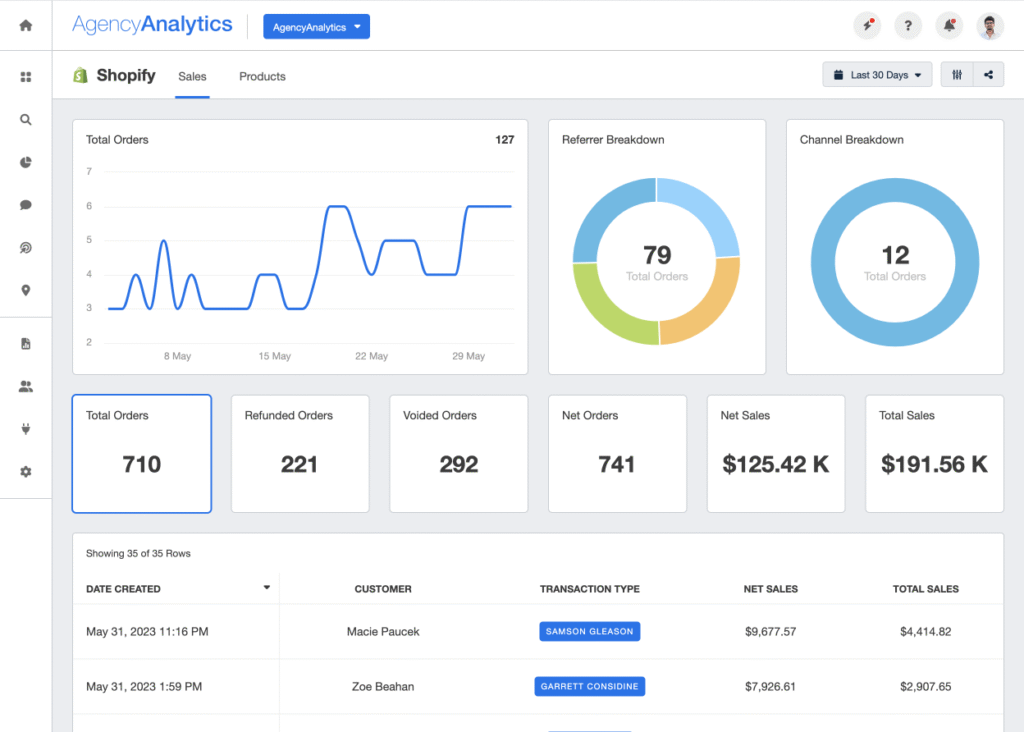
Shopify is a fully hosted eCommerce platform that allows anyone to create an online store and sell products without needing technical skills or coding knowledge. It’s an all-in-one solution — from website hosting to payment processing — designed to make launching and managing an online business as easy as possible.
With Shopify, you don’t need to worry about setting up web hosting, security, or maintenance. Everything is handled for you. You simply sign up, choose a theme, add your products, and start selling.
Shopify offers a wide range of professionally designed themes and built-in features such as inventory management, order tracking, customer profiles, and support for multiple payment gateways. Plus, with its powerful app store, you can easily expand your store’s capabilities as your business grows.
Why Choose Shopify?
- Ease of Use: Beginner-friendly interface with drag-and-drop functionality.
- All-in-One Solution: Hosting, security, and updates included.
- Fast Setup: Launch your store in a matter of hours, not days.
- 24/7 Customer Support: Access to help whenever you need it.
- Scalability: Suitable for both small businesses and high-volume stores.
In the Woocommerce vs Shopify comparison, Shopify stands out for its simplicity, speed, and hands-off management — ideal for those who want to focus on growing their business, not handling technical tasks.
Woocommerce vs Shopify: Side-by-Side Comparison
When deciding between Woocommerce vs Shopify, it’s important to look at how the two platforms differ in key areas such as ease of use, customization, pricing, scalability, and support. Below is a side-by-side comparison to help you make an informed choice based on your business needs.
1. Ease of Use
- Shopify: Built for beginners. Drag-and-drop interface, pre-configured features, and no need for coding or technical setup.
- Woocommerce: Requires more technical knowledge. Installation and setup involve managing WordPress, hosting, themes, and plugins.
2. Customization
- Woocommerce: Highly customizable. You have full control over design and functionality using themes, plugins, and code.
- Shopify: Customization is limited to what the platform allows, unless you use advanced tools like Liquid (Shopify’s templating language).
3. Hosting & Security
- Shopify: Fully hosted. Shopify takes care of hosting, security, backups, and performance optimization.
- Woocommerce: Self-hosted. You must choose your own hosting provider and manage site performance and security.
4. Payment Options
- Shopify: Offers many payment gateways but charges extra fees if you don’t use Shopify Payments.
- Woocommerce: Supports a wide range of gateways without extra fees, depending on your chosen extensions and plugins.
5. SEO Capabilities
- Woocommerce: Excellent for SEO thanks to WordPress. You can use powerful SEO plugins like Yoast.
- Shopify: Decent SEO capabilities, but less control compared to WordPress-based sites.
6. Scalability
- Shopify: Easily scalable with built-in hosting and performance features. Ideal for fast-growing stores.
- Woocommerce: Also scalable, but requires technical optimization as your site grows.
7. Cost
- Shopify: Fixed monthly pricing plans. Predictable costs, but apps and themes can add up.
- Woocommerce: Free plugin, but costs depend on hosting, premium plugins, themes, and maintenance.
Summary Table (Visual Suggestion)
| Feature | Woocommerce | Shopify |
|---|---|---|
| Ease of Use | Requires setup and maintenance | Beginner-friendly, fast setup |
| Customization | Full flexibility | Limited but user-friendly customization |
| Hosting | Self-hosted | Fully hosted |
| Security | You handle security | Shopify handles everything |
| SEO | Advanced control via WordPress | Built-in SEO, less customizable |
| Payment Fees | No extra fees (depends on gateway) | Fees if not using Shopify Payments |
| Scalability | Depends on hosting and setup | Easy to scale with minimal effort |
| Cost | Variable based on needs | Fixed plans, extra app costs |
Woocommerce Pros and Cons
Woocommerce is a powerful eCommerce solution, but like any platform, it has its advantages and disadvantages. In the Woocommerce vs Shopify debate, Woocommerce stands out for its flexibility and control. However, it may not be the best fit for everyone. Let’s take a closer look at the pros and cons.
Pros of Woocommerce
- Complete Control and Customization
One of the biggest advantages of Woocommerce is the level of control it gives you. Since it’s an open-source plugin for WordPress, you can customize every aspect of your store, from design to functionality. You can install themes, use plugins, and even add custom code to tailor your store exactly to your needs. - Cost-Effective
Woocommerce itself is free. You only need to pay for things like hosting, a domain name, premium themes, and plugins. This makes it an affordable option for businesses on a budget who don’t mind managing a few extra aspects of their store. - SEO Capabilities
Being built on WordPress, Woocommerce has excellent SEO potential. You have complete control over URL structures, meta descriptions, tags, and other key SEO factors. With the help of plugins like Yoast SEO or RankMath, you can optimize your store for better rankings in search engines. - Scalability
Woocommerce is highly scalable. Whether you’re running a small store or a large one, you can upgrade your hosting and optimize your website’s performance as your business grows. You have the flexibility to expand your store’s features through plugins. - Wide Range of Payment Gateways
Woocommerce supports a variety of payment gateways, including PayPal, Stripe, and many others. You can also choose from a vast selection of payment-related plugins to ensure you have the right payment options for your customers.
Cons of Woocommerce
- Requires Technical Knowledge
While Woocommerce is highly customizable, it does require a certain level of technical knowledge. Setting up the platform, managing updates, and ensuring your site is secure often requires some level of web development expertise, especially for beginners. - Ongoing Maintenance
Unlike hosted platforms like Shopify, Woocommerce requires ongoing maintenance. You are responsible for updating WordPress, the Woocommerce plugin, your theme, and any other plugins. This can be time-consuming and might require technical support. - Hosting and Security Responsibility
With Woocommerce, you need to choose your own hosting provider and manage security measures. This includes setting up SSL certificates, handling backups, and ensuring your site is secure from threats, which can be daunting for non-technical users. - Potential for Extra Costs
While Woocommerce is free, the cost of premium themes, plugins, and hosting can add up. If you need advanced features, you may find that some paid plugins are required, which could increase your total expenses. - Slower Load Times
Woocommerce stores can sometimes experience slower load times if not properly optimized. Since you control the hosting, this means you may need to invest in better performance optimization to ensure fast loading speeds, especially as your store grows.
Shopify Pros and Cons
Shopify is a powerful eCommerce platform, particularly for entrepreneurs who want an easy, fast, and hassle-free way to set up and manage their online store. In the Woocommerce vs Shopify debate, Shopify is often preferred by those who prioritize simplicity, scalability, and reliable customer support. Let’s explore the pros and cons of using Shopify for your online store.
Pros of Shopify
- Ease of Use
One of Shopify’s greatest strengths is its user-friendliness. The platform is designed for entrepreneurs with little to no technical expertise. The drag-and-drop interface makes setting up and managing your store incredibly easy. You don’t need to worry about hosting, security, or software updates — Shopify handles everything for you. - Fully Hosted Solution
Shopify is a fully hosted platform, meaning you don’t need to worry about finding a hosting provider, managing server issues, or ensuring your site is secure. Shopify takes care of all the technical aspects, leaving you to focus on running your business. - 24/7 Customer Support
Shopify offers excellent customer support, available 24/7 via live chat, email, and phone. Whether you’re encountering an issue with your store or just need advice, Shopify’s support team is always available to assist. - Scalability
Shopify is built to scale with your business. As your store grows, you can easily upgrade to higher-tier plans with more features and greater resources. Shopify’s infrastructure is optimized for high traffic and large product catalogs, making it ideal for rapidly growing businesses. - App Ecosystem
Shopify offers a vast app store with thousands of third-party apps to extend the functionality of your store. From marketing tools to accounting and shipping solutions, you can integrate the exact features you need to run your business efficiently.
Cons of Shopify
- Monthly Fees
Unlike Woocommerce, Shopify has fixed monthly fees that start at $39/month (Basic plan). While this covers hosting and core features, additional apps, themes, and transaction fees can add up, making it potentially more expensive than Woocommerce in the long run. - Limited Customization
While Shopify provides a lot of customization options, they are not as extensive as Woocommerce. If you want to deeply modify the code or design of your store, you may encounter limitations. To make advanced customizations, you’ll need to work with Shopify’s Liquid coding language. - Transaction Fees
Shopify charges transaction fees (starting at 2.9% + 30¢ per sale) unless you use Shopify Payments as your payment gateway. This can add up if you’re using third-party payment processors like PayPal or Stripe. - Less Control Over SEO
While Shopify offers basic SEO features, it doesn’t give you as much control as Woocommerce (built on WordPress). For example, editing URL structures and meta tags is more limited, which could affect the SEO performance of your store. - Dependence on Shopify’s Ecosystem
Since Shopify is a hosted solution, you’re tied to its ecosystem. If Shopify changes its policies or pricing, or if you want to migrate your store in the future, it can be more complicated and costly compared to a self-hosted solution like Woocommerce.
Woocommerce vs Shopify for Dropshipping
When it comes to dropshipping, both Woocommerce and Shopify offer great solutions, but each has its own strengths. Choosing between Woocommerce vs Shopify for dropshipping depends on your business needs, level of expertise, and desired features. Let’s break down how each platform caters to dropshipping businesses.
Dropshipping with Shopify
Shopify is one of the most popular platforms for dropshipping, mainly because of its simplicity and ease of use. It’s an excellent choice for entrepreneurs who want to get their store up and running quickly without dealing with technical aspects.
- Quick Setup: Shopify offers seamless integration with dropshipping apps like Oberlo, Spocket, and DSers. With just a few clicks, you can add products to your store, automate order fulfillment, and start selling immediately.
- Automated Order Fulfillment: Shopify’s integration with dropshipping apps allows for automatic order fulfillment, making it easier to manage orders without manually handling shipping details.
- Great for Beginners: With a user-friendly interface and 24/7 customer support, Shopify is ideal for dropshipping beginners. You don’t need coding skills to create and manage your store.
However, while Shopify is great for beginners, it may feel limited for advanced dropshipping strategies. If you’re looking for highly specific customizations or want to control every aspect of your store, Shopify might not offer the flexibility you need.
Dropshipping with Woocommerce
Woocommerce, on the other hand, offers more flexibility and control over your dropshipping business. It’s perfect for those who are familiar with WordPress and want to customize their store in more detail.
- More Control Over Your Store: With Woocommerce, you have more control over your store’s design, functionality, and features. There are many plugins and extensions for dropshipping, like AliDropship, WooCommerce Dropshipping, and WP Shopify, which allow you to customize the dropshipping process.
- Cost-Effective: Woocommerce itself is free, and you only pay for hosting and premium plugins. While Shopify charges monthly fees, Woocommerce gives you more control over your costs, especially if you’re just starting.
- SEO and Content Marketing: If you want to grow your dropshipping business with content marketing, Woocommerce’s deep integration with WordPress gives you an advantage. You can create a blog, optimize for SEO, and build organic traffic to your store, something that’s more challenging to do on Shopify.
However, dropshipping on Woocommerce requires more hands-on management. You’ll need to handle technical aspects like website maintenance, security, and performance optimization.
Which Is Better for Dropshipping?
- Shopify is better for those looking for an easy-to-use, all-in-one dropshipping solution. It’s perfect for beginners who want a hassle-free experience with automated order fulfillment and minimal technical work.
- Woocommerce is ideal for those who want complete control over their store and are comfortable managing technical aspects. It’s better suited for those who are experienced with WordPress or want to scale their dropshipping business with advanced customization and content marketing strategies.
In the Woocommerce vs Shopify for dropshipping comparison, Shopify is the more beginner-friendly option, while Woocommerce is a more flexible and cost-effective solution for those with more experience or specific needs
Woocommerce vs Shopify: SEO Performance
When it comes to SEO performance, both Woocommerce and Shopify offer robust features to help your store rank higher in search engines. However, they differ in terms of flexibility, control, and customization. In this section, we’ll compare how each platform stacks up in terms of search engine optimization.
SEO Performance with Woocommerce
Since Woocommerce is built on WordPress, it benefits from all the SEO advantages that WordPress offers. WordPress is widely known for its powerful SEO capabilities, and Woocommerce inherits this strength. Here’s why Woocommerce excels in SEO:
- Full Control Over SEO Elements: Woocommerce allows you to customize every aspect of your SEO strategy, from titles and meta descriptions to URL structures and header tags. You can edit product pages, category pages, and blog posts with complete flexibility, making it easier to optimize for search engines.
- Advanced SEO Plugins: With Woocommerce, you can use popular SEO plugins like Yoast SEO, RankMath, and All in One SEO. These plugins offer powerful tools to optimize your store, generate sitemaps, manage redirects, and improve your on-page SEO.
- Content Marketing Integration: Since Woocommerce is built on WordPress, it allows seamless integration with a blog. Content marketing plays a crucial role in SEO, and having a blog helps you create valuable content that can rank for long-tail keywords, boost organic traffic, and build backlinks.
However, since Woocommerce is self-hosted, the responsibility of optimizing website speed, performance, and security falls on you. This means you need to ensure fast loading times, a secure connection (SSL), and other performance optimizations to maintain good SEO.
SEO Performance with Shopify
Shopify also offers good SEO features but with some limitations compared to Woocommerce. Shopify is an easy-to-use platform, but its SEO flexibility is less customizable.
- Built-In SEO Features: Shopify provides essential SEO features like customizable title tags, meta descriptions, and header tags for product pages. It also automatically generates a sitemap.xml file and offers canonical tags to avoid duplicate content issues.
- Simplified SEO Setup: For beginners, Shopify simplifies the SEO setup process. It provides a straightforward interface for editing your store’s SEO elements, making it a great choice for those new to SEO.
- SEO-Optimized Themes: Shopify offers a variety of SEO-optimized themes that are mobile-friendly and fast. Google rewards sites with good mobile usability and fast load times, which Shopify themes are designed to deliver.
- App Integrations: Shopify has SEO apps available in its app store to help further optimize your store. These apps can help you with tasks like keyword analysis, page speed optimization, and optimizing product descriptions.
However, Shopify lacks the full flexibility that Woocommerce offers in terms of SEO. For instance, Shopify doesn’t let you edit the URL structure of product pages or category pages, which could limit your ability to optimize for certain keywords.
Which Platform is Better for SEO?
- Woocommerce is the winner if you want full control over your SEO strategy. The platform’s deep integration with WordPress gives you the flexibility to fine-tune every SEO aspect and leverage content marketing to improve search engine rankings.
- Shopify is a great choice for those who want a simpler, more user-friendly approach to SEO. While it offers solid SEO features, its flexibility is limited compared to Woocommerce, especially when it comes to customizing URLs and optimizing page structures.
In the Woocommerce vs Shopify SEO comparison, Woocommerce shines if you want advanced customization and content marketing, while Shopify is a good option for those looking for a more straightforward, beginner-friendly approach to SEO.
Pricing Breakdown
When comparing Woocommerce vs Shopify, one of the most important factors to consider is pricing. Both platforms have different pricing structures, and understanding their cost models can help you make a more informed decision for your business. Let’s break down the costs associated with each platform, including their base pricing, additional fees, and potential hidden costs.
Woocommerce Pricing Breakdown
Woocommerce itself is a free, open-source plugin for WordPress. However, there are various associated costs that you need to account for when using Woocommerce.
- WordPress Hosting: To run a Woocommerce store, you need to have a WordPress site, which requires a hosting provider. Hosting prices vary depending on the quality of service and the traffic your site receives. On average, hosting can cost anywhere from $3 to $25 per month for shared hosting, or $20 to $100+ per month for more powerful VPS or dedicated hosting.
- Domain Name: You’ll need a domain name for your store, which typically costs around $10 to $20 per year.
- Themes: While there are many free WordPress themes, premium themes can cost anywhere from $30 to $100+ for a one-time purchase.
- Plugins and Extensions: Woocommerce is highly customizable, and you may need additional plugins for payment gateways, shipping, SEO, and marketing. Some popular plugins (like Yoast SEO or WooCommerce Subscriptions) are free, but premium versions or advanced features typically range from $30 to $500 per year, depending on the plugin.
- SSL Certificate: For secure transactions, an SSL certificate is required. Some hosting providers include it for free, but standalone SSL certificates can cost around $50 to $150 per year.
- Maintenance and Updates: With Woocommerce, you’re responsible for keeping your site updated, secure, and running smoothly. If you don’t have the expertise, you may need to hire a developer, which can cost anywhere from $50 to $100+ per hour for technical support.
Shopify Pricing Breakdown
Shopify operates on a subscription-based model, where you pay a monthly fee for access to the platform. Here’s how the pricing breaks down:
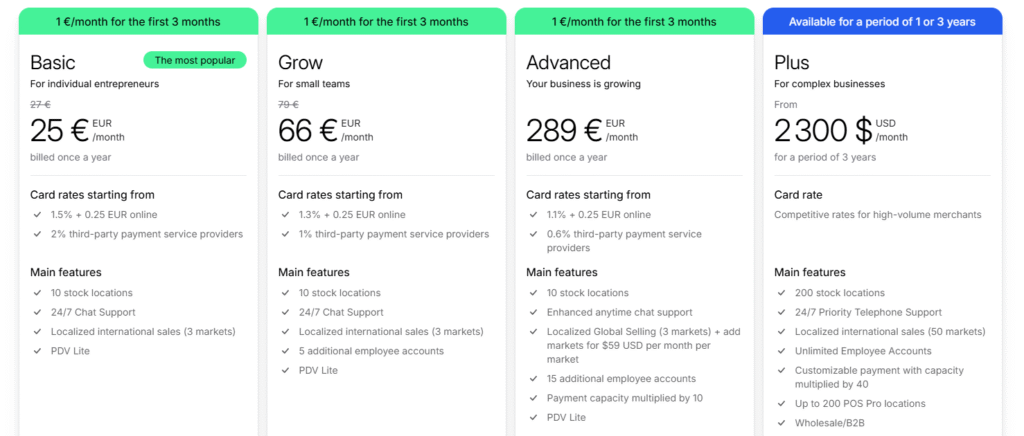
- Basic Plan: The Basic Shopify plan starts at $39 per month. This includes the ability to sell products, access to the Shopify admin dashboard, and essential features like reporting, discounts, and the ability to integrate apps.
- Shopify Plan: This plan costs $105 per month and includes additional features such as professional reports, more advanced reporting tools, and greater customization options for your store.
- Advanced Plan: At $399 per month, the Advanced Shopify plan includes more advanced analytics, lower transaction fees, and support for higher-volume stores. This plan is best for larger businesses that need more comprehensive features.
- Domain Name: Shopify includes a free domain name for the first year when you sign up for the Basic plan and above. After that, domain renewal costs around $14 per year.
- Transaction Fees: Shopify charges transaction fees unless you use Shopify Payments. The fees range from 2.9% + 30¢ per sale for the Basic plan, with the percentage decreasing for higher-tier plans. If you use a third-party payment processor (like PayPal), Shopify charges an additional 2% fee on the Basic plan.
- Apps and Themes: While Shopify comes with a range of free themes and apps, you may need to purchase premium themes or additional apps to extend the functionality of your store. Premium themes typically range from $100 to $180, and apps can cost anywhere from $5 to $100+ per month depending on the functionality you need.
Woocommerce vs Shopify: Which is More Affordable?
- Woocommerce can be more affordable upfront since the plugin itself is free. However, depending on the hosting, themes, and plugins you choose, the costs can quickly add up. If you want advanced features, Woocommerce can become more expensive than Shopify, especially if you need to hire a developer for technical tasks.
- Shopify, on the other hand, has fixed monthly pricing. While it may seem more expensive at first, the monthly fees cover everything you need, including hosting, security, and support. This simplicity can be a major advantage for store owners who want a set monthly cost without worrying about additional fees for hosting, security, or updates.
Final Verdict: Which Platform is Better for You?
After comparing Woocommerce vs Shopify across various aspects like pricing, SEO, dropshipping, and more, it’s clear that each platform has its own set of strengths and weaknesses. The decision ultimately depends on your business goals, technical expertise, and personal preferences. Let’s summarize the key factors to help you decide which platform is the best fit for your store.
Choose Woocommerce if:
- You Want Full Control Over Customization
If you’re a store owner who values flexibility, Woocommerce is the way to go. Since it’s built on WordPress, you have full control over your website’s design, features, and functionality. You can install any plugin or extension you need and customize the platform to fit your unique needs. - You Have Technical Knowledge or a Development Team
Woocommerce offers a lot of control, but it also requires more hands-on management. If you’re comfortable with technical aspects like hosting, security, and maintenance—or you have a developer on hand—Woocommerce is a great choice for you. - You Want to Scale with Content Marketing
Woocommerce’s integration with WordPress gives you a significant edge if you want to focus on content marketing and SEO. If you’re planning to grow your store through blog posts, SEO strategies, and organic traffic, Woocommerce provides more flexibility and control over these aspects. - You’re Looking for a Cost-Effective Solution
While Woocommerce can incur extra costs for hosting, domains, and plugins, it can be a more affordable option in the long run, especially if you’re starting small or don’t mind managing your site’s technical aspects.
Choose Shopify if:
- You Want a Simple, All-in-One Solution
If you want to focus on growing your business without worrying about technical details, Shopify is the easier choice. It provides an all-in-one platform with hosting, security, and customer support included, so you don’t have to handle the backend yourself. - You’re a Beginner or New to E-commerce
Shopify’s user-friendly interface and streamlined setup process make it ideal for beginners. If you’re not familiar with website management or coding, Shopify takes care of most of the technical work, letting you focus on selling products. - You Need Fast Setup and Quick Results
If time is of the essence and you want to get your store up and running quickly, Shopify is the better choice. Its simplicity allows you to create a fully functional store in no time, which is ideal if you’re looking to launch a business fast. - You Prefer Predictable Costs
Shopify’s subscription-based pricing structure makes it easier to predict your monthly expenses. The fees are clear and inclusive of everything you need, including hosting, security, and apps (though premium apps may still cost extra).
So, Which is Better for You?
- Woocommerce is ideal for those who want total control, advanced customization, and the ability to scale their business with content marketing. It’s better suited for experienced users who are comfortable with technical management.
- Shopify, on the other hand, is perfect for beginners, those who want a simple, all-in-one platform, or anyone who needs to get started quickly with minimal hassle. It’s a more hands-off solution that allows you to focus on growing your business rather than managing a website.
Ultimately, both platforms are great choices depending on your needs. If you value flexibility, control, and customization, Woocommerce is the way to go. If you’re looking for ease of use, quick setup, and a comprehensive solution, Shopify is your best bet.
Conclusion: Woocommerce vs Shopify – What’s Your Move?
After exploring the key differences between Woocommerce vs Shopify, it’s clear that both platforms have unique advantages depending on your business needs, level of expertise, and long-term goals. So, what’s your move? Let’s wrap up with some final insights to help you make the right decision for your store.
When to Choose Woocommerce:
- You need complete control: If customization, flexibility, and scalability are essential to you, Woocommerce offers an unparalleled level of control. It’s perfect if you’re tech-savvy or have a developer who can help you tailor your store.
- You prefer a more affordable, long-term solution: If you’re starting small or want a platform that grows with you without monthly subscription fees, Woocommerce allows you to manage costs by selecting your hosting and plugins.
- Content marketing and SEO matter: If you’re planning to scale your business with content marketing, blogging, and SEO, Woocommerce is better suited to your needs. Its seamless integration with WordPress gives you more control over your SEO strategy.
When to Choose Shopify:
- You want simplicity and speed: If you’re looking for an easy-to-use platform that lets you focus on selling, Shopify is the right choice. It’s a fully hosted solution that handles the technical details, making it perfect for beginners.
- You need fast setup: If you’re looking to launch your online store quickly without spending time on technical setup or design, Shopify allows you to get your store live within hours.
- Predictable costs are important: With its fixed monthly plans, Shopify offers predictable pricing. This is ideal if you want to avoid the variability of hosting and maintenance fees that come with Woocommerce.
The Final Decision:
The choice between Woocommerce vs Shopify boils down to your business model, level of expertise, and your long-term vision. If you prioritize flexibility, customization, and don’t mind handling the technical side of things, Woocommerce is the better choice. However, if you want a streamlined, user-friendly platform that takes care of the technical aspects for you, Shopify is an excellent solution.
Both platforms are capable of running a successful e-commerce business, so it really comes down to what best aligns with your needs and resources.